Immune DNA

AED 2150.00

  • Home Test
  • DNA Saliva Sample

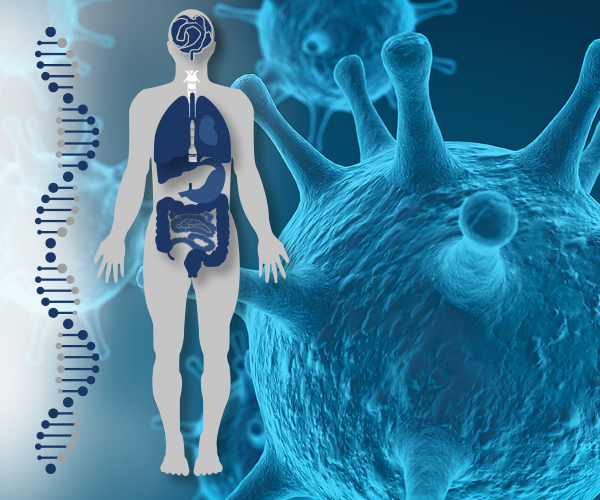
Immune DNA is a specialised genetic test analysing 60 clinically relevant traits to reveal how your DNA influences immune strength, autoimmune risk, allergies, gut health, infection response, and vaccine effectiveness. By integrating immunology, infectious disease genetics, allergy risk, gastrointestinal health, and vaccinomics, it identifies inherited vulnerabilities early and clarifies how your body responds to pathogens and immune challenges. The result is a single, personalised report designed to support targeted prevention, safer treatments, stronger immunity, and long-term immune health optimisation.
Immune DNA

Immune DNA

Immunology

Autoimmune Disorders

Lichen Planus Learn More

What exactly is Lichen Planus?
Lichen planus is an autoimmune disease that produces swelling and irritation in the skin, hair, nails and mucous membranes by attacking skin cells or mucous membranes. Lichen planus typically manifests as a flat, purple, itchy lesion. It most commonly affects middle-aged individuals or women. Lichen planus can arise in conjunction with other autoimmune illnesses.

Dermatomyositis Learn More

Definition of Dermatomyositis
Dermatomyositis is an uncommon condition that causes muscle weakness and a unique skin rash. Small blood veins in muscle tissue are particularly vulnerable. The body incorrectly assaults its own tissue, resulting in inflammatory alterations in the muscles. It eventually leads to the breakdown of muscle fibres due to the presence of inflammatory cells surrounding them, resulting in an autoimmune disorder. Dermatomyositis is caused by genetic variations, environmental conditions and infections.

Systemic Sclerosis Learn More

Explaining Systemic Sclerosis?
Systemic sclerosis, often known as scleroderma, is an autoimmune disease that causes the skin and connective tissues to harden and tighten. It is caused by an excess of collagen production and accumulation in various body tissues. Collagen is a fibrous protein found in connective tissues throughout the body, including our skin. The illness affects not only the skin but also the blood vessels, muscles, digestive system, heart, lungs, kidneys and other organs.

Interstitial Cystitis Learn More

What is Interstitial Cystitis?
Interstitial cystitis is a chronic and painful bladder ailment. It puts pressure on the bladder, which causes pain. There is pain and discomfort in the pelvic area that can range from minor to severe. Interstitial cystitis can also induce changes in urine frequency and urgency. It's a discomfort in the bladder syndrome.

Sjogren's Syndrome Learn More

What exactly is Sjogren's Syndrome?
Sjogren's syndrome is an autoimmune, inflammatory condition that mostly affects mucus-producing glands such as tear glands (lacrimal glands) and salivary glands, however it can affect other regions of the body as well. Sjogren's syndrome can produce dryness and reduced tear and saliva production. It may be linked to other autoimmune illnesses such as rheumatoid arthritis, Systemic Lupus Erythematosus (SLE) and others.

Autoimmune Hepatitis Learn More

Information about Autoimmune Hepatitis?
Autoimmune hepatitis is a chronic disease in which the body's immune system destroys its own cells, causing liver damage. This results in liver cirrhosis and, ultimately, liver failure. There are two forms of autoimmune hepatitis: type 1 (common in all age groups) and type 2 (frequent in children and young adults). Other autoimmune disorders may or may not accompany autoimmune hepatitis.

Autoimmune Pancreatitis Learn More

Explanation on Pancreatitis?
Pancreatitis is a condition in which the pancreas becomes inflamed. The pancreas suffers considerable harm when the body's immune system attacks it. The pancreas' function is consequently compromised, resulting in digestive issues and an imbalance in the hormones that regulate blood sugar (glucose) levels. There are two forms of pancreatitis: IgG4-related pancreatitis, which affects many organs such as the bile duct in the liver, salivary glands, lymph nodes and kidneys and type 2 (also known as idiopathic duct-centric pancreatitis), which usually affects the pancreas.

Antiphospholipid Syndrome Learn More

Definition of Antiphospholipid Syndrome
Antiphospholipid syndrome (APS) is an autoimmune disorder that frequently results in the development of antibodies that cause blood clots. The immune system targets the proteins in the blood, causing antibodies to develop, which then causes clots to form. These clots occur in arteries or veins throughout the body, including the legs, kidneys, lungs and brain. It is a leading cause of miscarriages and stillbirths among pregnant women. Certain genetic variants can enhance a person's susceptibility to antiphospholipid syndrome.

Systemic Lupus Erythematosus Learn More

What exactly is Systemic Lupus Erythematosus?
Systemic Lupus Erythematosus (SLE), sometimes known as 'lupus,' is an autoimmune illness in which the body's immune system erroneously assaults healthy cells and tissues, causing damage to the many affected organs. It can cause problems with the joints, brain, skin, lungs, kidneys and blood vessels. Infections, malignancies, bone tissue damage, pregnancy problems and other organ-related disorders are more likely in people with this illness.

Autoimmune Hemolytic Anemia Learn More

Description of Autoimmune Hemolytic Anaemia
Autoimmune hemolytic anaemia is a very uncommon autoimmune disorder. Autoantibodies are produced by the immune system and assault red blood cells. Red blood cells transport oxygen from the lungs to the rest of the body's organs. The quantity of red blood cells is reduced in this disease, resulting in anaemia (lack of haemoglobin). The severity of anaemia is determined by the extent of red blood cell breakdown.

Mixed Connective Tissue Disease Learn More

Defining Mixed Connective Tissue Disease
Mixed Connective Tissue Disease (MCTD), often known as overlap disease, is a grouping of several illnesses. The most common clinical characteristics are those of systemic lupus erythematosus (SLE), scleroderma and myositis. Sjogren's syndrome is also seen in a small number of persons. The immune system assaults the body's own fibres, which are responsible for the body's support and framework. Certain genetic variants are involved in the development of mixed connective tissue disease.

Discoid Lupus Learn More

What exactly is Discoid Lupus?
Discoid Lupus is a severe autoimmune illness that affects the skin, resulting in the formation of a red, scaly coin-shaped lesion. When exposed to sunshine, these rashes worsen. The immune system attacks healthy skin cells and causes rash formation. Because it does not affect internal organs, discoid lupus differs from systemic lupus. Some of the variables that may worsen the illness are stress, infection and trauma.

Giant Cell Arteritis Learn More

What is Giant Cell Arteritis?
Giant Cell Arteritis, also known as temporal arteritis, is an uncommon illness in which the blood arteries of the head, particularly the temples, become inflamed. Inflammation then reduces blood flow and can harm essential tissues and organs. Further injury can also result in permanent visual loss. It is most common in adults between the ages of 70 and 80.

Pemphigoid Learn More

What exactly is Pemphigoid?
Pemphigoid is a rare autoimmune illness that causes skin rashes and mucus membrane blisters on the legs, arms and belly. The body manufactures autoantibodies by mistake, causing a chain reaction that results in a separation between the inner layer of tissue and the skin above it. Various forms have been recorded depending on the site of blister development, including bullous (arms and legs), cicatricial (mucous membrane of eyes, mouth and nose) and pemphigoid gestations (occurs during pregnancy). It can occur at any age, including children, but it primarily affects the elderly.

Inflammatory Myopathy Learn More

Description of Inflammatory Myopathy
Inflammatory Myopathy is a category of autoimmune chronic disorders that induce muscle inflammation, as well as muscle weakening and pain. Dermatomyositis, polymyositis and inclusion body myositis (IBM) are the three kinds of inflammatory myopathy. Because it is an autoimmune disease, the immune system of the body targets the muscles. It is an uncommon condition that affects both adults and children.

Uveitis Learn More

What exactly is uveitis?
Uveitis is an inflammation of the uvea, the central layer of the eye. Autoimmune uveitis is characterised by inflammatory alterations in the eye tissue generated by an autoimmune reaction to self-antigens or by an inflammatory reaction in response to an external stimulation. It's linked to a systemic autoimmune or autoinflammatory disorder. The location of the inflammation in the eye determines the type of uveitis. There are four types of uveitis: anterior (front), posterior (rear), intermediate (middle) and pan-uveitis (all areas of the eye).

Microscopic Polyangiitis Learn More

Definition of Microscopic Polyangiitis
Microscopic polyangiitis (MPA) is a rare autoimmune illness that causes blood vessel inflammation. Inflamed arteries expand and weaken and they may rupture, resulting in tissue bleeding. This may result in further organ damage. Some of the most typically damaged organs are the kidneys, lungs, skin, joints and nerves. The immune system is crucial in the development of microscopic polyangiitis.

Inflammatory Disorder

Behcet's Disease Learn More

Exactly what is Behcet's Disease?
Behcet's Disease is an uncommon kind of vasculitis that causes inflammation of blood vessels of all sizes and types throughout the body, including veins and arteries. It is an autoimmune illness in which the body's immune system incorrectly assaults its own blood vessel cells, causing inflammation. Behcet's Disease is thought to be caused by a combination of genetic and environmental causes. Environmental variables, such as Helicobacter pylori infection, enhance an individual's susceptibility to Behcet's Disease.

Infectious Diseases

Bacterial Infections

Brucellosis Learn More

Description of Brucellosis
A bacterial ailment called brucellosis is spread either through direct contact with diseased animals like dogs, cats, sheep, or cattle or by ingesting tainted food and water. Most infections occur after consuming raw or unpasteurized dairy products, although occasionally, the bacteria can spread through the air. Certain genetic variants increase the risk of contracting an illness and the degree of a disease's severity.

Chronic Q fever Learn More

What Exactly Is Chronic Q Fever?
Q fever is a bacterial ailment brought on by the Coxiella burnetii bacterium and spread to others by infected aerosols, milk, faeces, urine, or other pregnancy-related products. Chronic Q fever is the term used when a significant infection develops months or years after the original Q fever. Chronic Q fever is a significant worry that can harm the heart, liver, brain and lungs, among other essential organs. The genetic variety of the individual determines the degree of susceptibility to infection and the severity of the disease.

Syphilis Learn More

Defining syphilis
A sexually transmitted infection called syphilis is brought on by the bacterium Treponema pallidum. When it comes into touch with sores on the mouth, genitalia, or rectum, it spreads from one person to the next through the skin mucous membrane. Syphilis can harm the heart, brain and other organs if untreated and it may even be fatal. The chance of contracting syphilis may rise as a result of specific genetic differences.

Tuberculosis Learn More

Explaining what tuberculosis is
Mycobacterium tuberculosis is a bacterium that causes the bacterial infection known as tuberculosis. It is mostly a pulmonary disease that spreads to the surface of the lungs by infected aerosol droplets. It may infect bones, the central nervous system, or other organs, among other body parts. The host immune system's reaction controls how the disease develops and turns out. Certain genetic variants may result in lowered immunity, which would therefore permit the infection to take place.

Helicobacter Pylori Infection Learn More

What is an Infection with Helicobacter Pylori?
A bacterial infection called Helicobacter pylori is brought on by the H. pylori bacterium. It has an adverse effect on the stomach's lining and can result in serious side effects such gastric ulcers, gastritis and gastric cancer. It may travel from one person to another by saliva, vomit, or faeces, as well as through contaminated food and water. The likelihood of contracting an illness and the extent of how severe the condition is may be influenced by specific genetic differences.

Parasitic Infections

Chagas Disease Learn More

Chagas disease definition
Trypanosoma cruzi, a parasite that causes Chagas disease, is spread by the triatomine bug, an insect. The disease's acute stage could go undetected and continue to its chronic stage, which could cause serious digestive and cardiac issues. The degree of the disease's severity and susceptibility to infection may be influenced by certain genetic variations.

Leishmaniasis Learn More

Defining leishmaniasis
Leishmaniasis is an infection brought on by parasites of the Leishmania genus that are spread by phlebotomine sand flies. It impacts the body's cutaneous, mucocutaneous and, in extreme situations, visceral systems. The severity of the infection can range from asymptomatic disease to a life-threatening sickness, depending on the species of Leishmania implicated and the host immune system. The degree of the disease's severity and susceptibility to infection may both be impacted by certain genetic variants.

Malaria Learn More

What Exactly Is Malaria and what it does to your body
The potentially fatal parasite species Plasmodium causes malaria, which is spread by Anopheles mosquitoes as a vector. Either an infected mosquito bites you directly, or an uninfected mosquito feeds on a person who has malaria, catching the disease and spreading it to other people. The parasite enters the body and moves to the liver before infecting the bloodstream many days later. Certain genetic variations may affect the susceptibility to acquiring this disease.

Toxoplasmosis Learn More

Toxoplasmosis Explained
Toxoplasma gondii, a parasite that is quite widespread, is the infection that causes toxoplasmosis. Undercooked, contaminated food, infected cat faeces and an infected pregnant woman can all spread the infection to the unborn kid. Additionally fatal, the infection may result in foetal birth abnormalities. A robust immune system prevents the parasite from seriously affecting health. Genetic variations may alter a person's vulnerability to infection and the degree of their disease's severity.

Human African Trypanosomiasis Learn More

The definition of human African trypanosomiasis (sleeping sickness)
The infection known as "human African trypanosomiasis" or "sleeping sickness" is brought on by the bite of an infected tsetse fly (Genus Glossina). The illness spreads through the bloodstream and can be lethal if left untreated. The susceptibility to contract an infection may be impacted by specific genetic differences. They will also have an impact on how severe the sickness is.

Viral Infections

Dengue Learn More

Defining Dengue
Aedes aegypti and Aedes albopictus mosquito bites are the primary means of transmission for the virus that causes dengue, which belongs to the Flaviviridae family. Flu-like symptoms and a fever might result from a mild infection, but a severe case of dengue hemorrhagic fever can result in significant bleeding, shock and even death. The ability to contract an illness and the severity of the disease are both influenced by an individual's genetic makeup.

Encephalitis Learn More

What exactly is Encephalitis?
Inflammation of the brain tissue is caused by the potentially fatal viral infection known as encephalitis. Genetic variations may impact a person's susceptibility to infection and the degree of disease severity.

Hand Foot and Mouth Disease Learn More

Hand, Foot and Mouth Disease Definition
Enterovirus, a member of the Picornaviridae family, causes the contagious illness known as hand, foot and mouth disease (HFMD), which primarily affects children. Most children recover from the virus, but some may experience serious neurological problems. The ability to contract an illness and the severity of the disease are both influenced by an individual's genetic makeup.

Hepatitis Learn More

Defining hepatitis
A viral illness called hepatitis results in liver inflammation. Viral hepatitis comes in three different forms: hepatitis A, hepatitis B and hepatitis C. Hepatitis infection has a variety of clinical consequences that can be either acute or chronic. The ability to contract an illness and the severity of the disease are both influenced by an individual's genetic makeup.

HIV Infection Learn More

Understanding HIV Infection
HIV (human immunodeficiency virus) is a virus that attacks the body's immune system. If HIV is not treated, it can lead to AIDS (acquired immunodeficiency syndrome). There is currently no effective cure. Once people get HIV, they have it for life. But with proper medical care, HIV can be controlled. The ability to contract an illness and the severity of the disease are both influenced by an individual's genetic makeup.

Influenza Learn More

Defining influenza
Types A, B, C and D are the four different subtypes of influenza viruses. Seasonal epidemics of influenza A and B are brought on by circulating viruses. Seasonal flu outbreaks are possible because it is easily spread by contact and airborne droplets. The ability to contract an illness and the severity of the disease are both influenced by an individual's genetic makeup.

Microbial Infections

Keratitis Learn More

Defining keratitis
A corneal infection known as keratitis affects the thin, translucent layer that covers the iris and pupil. Non-infectious keratitis is brought on by injury or a foreign object, whereas infectious keratitis is typically brought on by bacteria, viruses, or fungi. Untreated severe keratitis may result in long-term problems or permanent vision impairment. On rare occasions, non-infectious keratitis can also be brought on by allergies to pollen. It is possible to spread infectious keratitis, especially when touching a contaminated surface. The likelihood of contracting these illnesses may be increased by genetic differences.

Pneumonia Learn More

What exactly is Pneumonia?
A respiratory infection that affects the lungs, pneumonia can be brought on by bacteria, viruses and fungus. Breathing problems are brought on by the inflammation of the lungs' air sacs (alveoli). Depending on where the pneumonia originated, it may have been contracted in the community or in a hospital. If in close proximity to an infected person, it is easily spread by air droplets. The likelihood of contracting an infection and the degree of disease severity may both rise as a result of specific genetic abnormalities.

Recurrent Vulvovaginal Infection Learn More

Understanding Recurrent Vaginal Infection
Recurrent VulvoVaginal Infection (RVVI) is the collective term for frequent vaginal infections that occur repeatedly. Trichomoniasis (TV), Vulvovaginal Candidiasis (VVC) and Bacterial Vaginosis (BV) are the three most prevalent RVVI. The vagina is one of the many bodily areas where microbes are found. They might survive without creating any issues or they might grow out of control and infect the organs by penetrating deeply. The likelihood of contracting the illness and the degree of disease severity may vary due to genetic differences.

Sepsis Learn More

Defining sepsis
The body's severe response to a serious infection is sepsis. When the body responds to the infection by damaging its own tissue, it happens. If left untreated, it poses a life-threatening threat and can cause organ failure, tissue damage, death, septic shock, or septicemia. Most sepsis instances are typically brought on by bacterial infections. An individual's vulnerability to contracting an illness and the degree of a disease's severity may rise due to specific genetic differences.

Allergies

Nasal Allergy

Allergic Rhinitis Learn More

What Precisely Is Allergic Rhinitis?
Allergic Rhinitis, often known as Hay Fever, is a symptom of allergies and other diseases. Rhinitis can be seasonal or perennial, depending on the type of allergy that produces it. Allergic rhinitis is distinguished by four key symptoms: excessive mucus in the nasal cavity, nasal itching, sneezing and nasal blockage. When exposed to an allergen, the immune system responds in two stages. Sneezing and mucus filling occur in about 30 minutes in the first stage, followed by nasal obstruction in about 4-5 hours.

Olive Pollen Allergy Learn More

Definition of Olive Pollen Allergy
Allergy is an excessive immune system response to a non-pathogenic chemical. One of the most common causes of seasonal respiratory allergies is olive pollen. When the body comes into touch with olive pollen, it produces immunoglobulin E (IgE) molecules that are unique to the olive pollen. This results in inflammatory changes in the body, most notably hives. Certain genetic differences play a significant influence in the development of olive pollen allergy.

Asthama Learn More

What Exactly Is Asthma?
Asthma is a chronic inflammatory disorder of the lungs' airways. Asthma can be caused by allergic or non-allergic factors. People who live in extremely polluted locations are more likely to get asthma. Non-allergic causes of asthma include activity, drugs, disease and other factors. These triggers force the lungs to tighten, resulting in an exceedingly small airway. Asthma is also characterised by inflammation of the smooth muscles inside the airway, which narrows it even further. Excess mucus in the airway also limits air flow via the bronchioles, making breathing harder for asthmatic patients.

Skin Allergy

Latex Allergy Learn More

What Essentially Is Latex Allergy?
Latex is a synthetic rubber that resembles natural rubber. It is used to make gloves and even clothes. Constant interaction with these products can result in the development of a latex allergy. The immune system of the body responds exaggeratedly to a non-pathogenic trigger known as an allergen in allergic disorders. Latex becomes the allergy in this case. The body creates particular molecules known as immunoglobulin E (IgE) molecules in response to the latex allergen. When exposed to the same allergen again, the inflammatory symptoms will worsen.

Irritant Contact Dermatitis Learn More

Description of Irritant Contact Dermatitis
Irritant contact dermatitis (ICD) is a kind of non-allergic contact dermatitis. It occurs when the skin is exposed to irritants, which destroy the skin's outer protective layer. The irritants cause inflammatory changes by releasing mediators from the cells. Solvents, shampoo, detergents, bleach, airborne pollutants such as sawdust or wool dust, plants, fertilisers and pesticides are examples of common irritants. The severity of dermatitis can range from mild to severe depending on the duration and intensity of the irritating exposure.

Food Allergy

Peanut Allergy Learn More

What Exactly Is Peanut Allergy?
A common food allergy is peanut allergy. It is distinguished by a hypersensitivity reaction to peanut proteins, which results in an immune system overreaction and severe medical symptoms. Peanut allergy can cause a potentially fatal anaphylactic reaction, even if only a little amount of the allergen is consumed.

Hens Egg Allergy Learn More

What Causes Hen's Egg Allergy?
One of the most frequent food allergies is hen's egg allergy. The immune system of the organism overreacts to a specific protein found in the egg. When antibodies recognise these proteins, they transmit a signal to the immune system, causing it to release histamines and other substances that cause inflammation in the body. Certain genetic variants are involved in the development of Hen's egg allergy.

Gastrointestinal Disorders

Digestive Tract Disorders

Celiac Disease Learn More

Defining celiac disease
Gluten, which is present in wheat, barley and rye, triggers an immunological response in people with celiac disease, an autoimmune illness. It causes destruction to the villi that line the small intestine's interior, which impairs the absorption of vitamins, minerals and other nutrients. Child development and growth may be hampered by malnutrition. It can cause malnutrition, low bone density, infertility, neurological problems, or some types of cancer if left untreated.

Crohn's Disease Learn More

Crohn's Disease and how it affects you
Inflammatory bowel illness includes Crohn's disease. It might result in ulcers, edoema, or inflammatory reactions in the body's digestive system. It can affect any area of the digestive system, from the mouth to the anus and varies from person to person. It typically results from the body's immune system being activated by a bacterium, virus, or other environmental causes. Signs and symptoms can range from mild to severe, can be painful and incapacitating and occasionally they can cause complications that pose a serious risk to one's life.

Ulcerative Colitis Learn More

Description of Ulcerative Colitis
Inflammation and ulcers in the digestive tract are symptoms of the inflammatory bowel disease (IBD) known as ulcerative colitis. It causes ulcers and inflammation in the digestive tract and affects the rectum, which is the end of the colon and the innermost lining of the large intestine (colon). These sores or ulcers are able to bleed and exude pus. The immune system that battles the incoming virus attacks the digestive tract's cells as a result of an aberrant immunological reaction. Debilitating effects from ulcerative colitis can occasionally be fatal. Colon cancer can develop after years of ulcerative colitis.

Barrett Esophagus Learn More

What exactly is Barrett's Oesophagus?
Barrett's oesophagus, also known as Barrett's syndrome, is a condition in which the esophageal tissue changes into tissue similar to the intestinal lining and thickens and turns red. This occurs mostly as a result of the lower esophageal cells being exposed to stomach acid, which is typically seen in long-term gastroesophageal reflux disease (GERD), causing damage to those cells.

Irritable Bowel Syndrome (IBS) Learn More

Irritable Bowel Syndrome (IBS): What it is and symtoms
The large intestine is impacted by the illness known as irritable bowel syndrome, or IBS. It is a persistent condition that results in cramping, bloating, diarrhoea and/or constipation. The contributing aspects to this disorder may include altered intestinal microbiota, visceral hypersensitivity, inflammation and gastrointestinal dysmotility. The majority of symptoms can be controlled by altering food and lifestyle.

GI Accessory Disorders

Cirrhosis Learn More

Cirrhosis affects and causes
Cirrhosis is a side effect of liver illness. It is a late stage of fibrosis, an irreversible scarring of the liver. It is brought on by viral illnesses like hepatitis or alcoholism, which harm the liver cells. There are metabolic issues when the liver's cells are damaged and unable to function properly. This eventually causes cirrhosis and other serious illnesses that can be fatal. The liver damage might be limited with an early diagnosis.

Gallstones Learn More

Defining Gallstones
Gallstones are the result of digestive fluid depositing in the gallbladder and becoming solid. A little organ located beneath the liver is the gallbladder. The gallbladder contains digestive fluids that are discharged into the small intestine, such as bile, which aids in the breakdown of lipids. The amount and size of gallstones might differ. The two forms of gallstones depend on their chemical makeup. Due to the presence of bilirubin in the bile, pigment stones are brown or black in colour as opposed to cholesterol stones, which are yellow in colour.

Pancreatitis Learn More

What exactly is Pancreatitis?
Pancreas inflammation is a medical ailment known as pancreatitis. This happens when the pancreas activates the digestive enzymes before they are released into the small intestine. Inflammation results from this irritating and destroying pancreatic cells. As a result, the pancreas's function is compromised, leading to digestive issues and an imbalance in the hormones that control blood sugar (glucose) levels. It can be acute or chronic in nature, depending on the severity and when it starts.

Primary Biliary Cholangitis Learn More

How do you define primary biliary cholangitis?
The bile ducts in the liver are gradually harmed by primary biliary cholangitis, formerly known as primary biliary cirrhosis. The small intestine receives bile, which is created in the liver, via the duct, where it aids in digestion and helps the body get rid of cholesterol, poisons and worn-out red blood cells. Bile is stored in the liver as a result of damaged bile ducts, which causes cirrhosis, an irreversible scarring of the liver tissue that impairs liver function.

Primary Sclerosing Cholangitis Learn More

Defining Primary Sclerosing Cholangitis
Primary sclerosing cholangitis is a bile duct disorder. From the liver, where it is created, through the gallbladder, where it is stored and finally, to the small intestine, where it aids in the breakdown of fats, bile is transported via bile ducts. Cholangitis, an inflammation of the bile ducts, causes scarring or sclerosis and constriction of the ducts. Bile accumulates in the liver as a result of its inability to be discharged into the gallbladder and small intestine, resulting in serious liver damage.

Non-Alcoholic Fatty Liver Disease Learn More

Non-Alcoholic Fatty Liver Disease
Non-alcoholic fatty liver refers to a range of conditions where extra fat builds up in the liver of individuals who drink very little to no alcohol. As it advances, it could become severe and cause cirrhosis, fibrosis, inflammation and liver failure. Overweight, insulin resistance, excessive blood sugar and lipid levels are all associated with non-alcoholic fatty liver.

Vaccinomics

Recombinant Vaccine

Hepatitis B Learn More

Description of Hepatitis B.
A person may be protected from the potentially fatal liver disease hepatitis B, which is brought on by the hepatitis B virus. It results in persistent infections and raises the risk of dying from liver cancer or liver cirrhosis. By simulating the viral antigen and triggering the body to develop antibodies against it, vaccines protect against the disease. The immune system's reaction to vaccination is determined by genetic differences and other variables.

Live Virus Vaccine

Small Pox Learn More

What exactly is Smallpox?
The variola virus, which causes the dangerous illness known as smallpox, is prevented by the smallpox vaccination. The live virus used in the smallpox vaccine helps the body create antibodies and build immunity to the disease. The immune system's reaction to vaccination is influenced by genetic variation as well as other variables.

Live Attenuated Vaccine

Mumps Measeles Rubella (MMR) Learn More

Explaining MMR (Mumps, Measles, Rubella)?
The MMR vaccine protects against measles, mumps and rubella. The measles, mumps and rubella (MMR) vaccination includes weakened viruses that allow the body to create antibodies and build immunity to the diseases. The immune system's reaction to vaccination is determined by genetic differences and other variables.

Virus Inactivated Vaccine

Influenza Learn More

Defining influenza
The body is shielded from influenza infections by the influenza vaccine. A viral infection that affects the respiratory system is influenza. By simulating the viral antigen and triggering the body to develop antibodies against it, vaccines defend against viruses. The immune system's reaction to vaccination is determined by genetic differences and other variables.

Description of Test

Our advanced genetic testing panels provide in-depth, clinically relevant insights into how your DNA influences health, disease risk, behaviour, and treatment response. Each test is designed to evaluate specific genetic traits, enabling early risk identification, personalised prevention strategies, and informed medical and lifestyle decisions.

Immunology (18 traits): Assesses inherited immune deficiencies and autoimmune risk factors, supporting early intervention and long-term immune health management.

Infectious Diseases (20 traits): Uses genetic diagnostics to identify pathogens, strains, subtypes, and antibiotic resistance, enabling precise and faster treatment decisions.

Allergies (7 traits): Identifies inherited risks related to food allergies, environmental allergens, pollen sensitivity, skin irritation, and respiratory responses, supporting proactive allergy management and avoidance strategies.

Gastrointestinal Disorders (11 traits): Identifies genetic risks related to digestion, nutrient absorption, food intolerances, IBS, inflammatory and autoimmune gut conditions.

Vaccinomics (4 traits): Examines genetic variations influencing vaccine response, immune activation, effectiveness, and risk of side effects.

All panels together provide a comprehensive, detailed report you will receive after taking this DNA test, empowering proactive healthcare decisions, personalised treatment planning, and long-term wellbeing.

BioMed InSightsâ„¢ global research drives our services and brands

Unlock the power of knowledge, latest news and research for a healthier future!

Powered by independent world class research

Copyright © 2025 All Right Reserved. A Bio Healthcare Networks Company.