Female DNA

AED 2650.00

  • Home Test
  • DNA Saliva Sample

Female DNA is a specialised genetic test analysing 68 key traits to support women's hormonal health, fertility, immunity, bone strength, and long-term wellbeing. By combining hormonal genomics, IVF and pregnancy-loss genetics, lifestyle and immune insights, it identifies inherited risks early and guides proactive health decisions. The result is a personalised report supporting reproductive planning, hormonal balance, and lifelong female health optimisation.
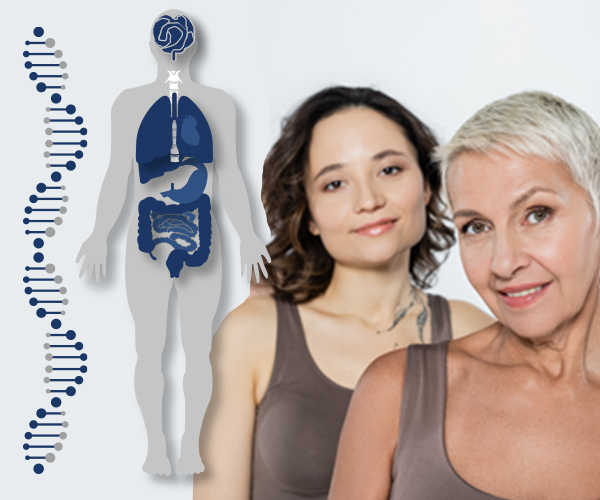
Female DNA

Female DNA

Hormonal Genomics

Pitutiary Disorders

Acromegaly Learn More

What is Acromegaly
Acromegaly is a rare hormonal disorder that develops when the pituitary gland produces excess growth hormone during adulthood. Acromegaly usually affects middle-aged adults and in this condition, bones increase in size, including those of your hands, feet and face it could cause increased pressure on joints, thereby increasing the risk of developing osteoarthritis. In children with an active growth cycle, excess growth hormone levels can cause a condition called gigantism. Such children have exaggerated bone growth and an abnormal increase in height. Acromegaly could cause hypertension and increase the risk of developing diabetes.

Growth Hormone Deficiency Learn More

What is Growth Hormone Deficiency
Growth Hormone Deficiency (GHD) is a rare disorder characterized by the inadequate secretion of growth hormone (GH) from the anterior pituitary gland. GHD can be present from birth (congenital), resulting from genetic mutations or from structural defects in the brain it can also be acquired later in life as a result of trauma, infection, radiation therapy, or tumor growth within the brain.

Adrenal Disorders

Addison's Disease Learn More

What is Addison's Disease
Addison's Disease or Adrenal insufficiency is a pathological condition wherein the adrenal glands are unable to sufficiently produce adrenal hormones, mainly cortisol other hormones affected include aldosterone and testosterone. Cortisol is known to affect every organ and tissue in the body it plays a major role in maintaining blood pressure, cardiovascular function, immune system and inflammatory response. Addison's Disease can potentially be a life-threatening condition.

Primary Aldosteronism Learn More

What is Primary Aldosteronism (Hyperaldosteronism)
Primary Aldosteronism is a condition characterized by overproduction of the adrenal hormone 'aldosterone'. This in turn causes increase in sodium levels, causing hypertension and decrease in potassium levels, resulting in hypokalemia and impaired nerve and muscle function in the body. The main causes are benign tumor growth on the adrenal glands or overactivity of both adrenal glands. Hypertension can lead to further complications such as cardiovascular diseases and kidney diseases.

Pediatric Disorder

Pediatric Obesity Learn More

What is Pediatric Obesity
Pediatric or childhood obesity is a growing global epidemic that requires attention due to the burden on healthcare system for children and adults. Obesity is characterized by having a high fat composition and a BMI of 30 and above. It is a result of imbalance between energy intake and its expenditure. Hormones can play a role in increase or decrease of food intake, energy expenditure and other metabolic changes that may change body composition due to increase in fat, cholesterol, or glucose levels. Obesity increases the risk of other conditions such as cardiovascular diseases, diabetes, hypertension, stroke, breathing disorders and depression.

Congenital Hypothyroidism Learn More

What is Congenital Hypothyroidism
Congenital hypothyroidism is a partial or complete loss of function of the thyroid gland that affects infants from birth. It occurs when the thyroid gland fails to develop or function properly, resulting in lower than normal levels of thyroid hormones. Sometimes, the pituitary gland fails to send signals to produce thyroid hormones. If the condition is not diagnosed and treated in a timely manner, it can result in irreversible neurological problems and poor growth. Genetic causes account for about 15 to 20 percent of cases of congenital hypothyroidism.

Women's Health

Endometriosis (Women Only) Learn More

What is Endometriosis
The endometrium is a tissue lining the inner wall of the uterus. Endometriosis is a gynecological condition characterized by the presence and growth of endometrial tissue outside the uterus. Even outside the uterus, the endometrial tissue is functional and can thicken and bleed, mimicking normal tissue function. This condition can cause irritation and inflammation in other organs.

Leiomyoma (Women Only) Learn More

What is Leiomyoma
Leiomyoma, also known as uterine fibroid, is a common benign tumor of the uterus. Tumors can be numerous and large but typically remain benign. Hormones like estrogen and progesterone are believed to be the factors responsible for uterine fibroids, as they stimulate the growth of uterine lining. Leiomyomas are common in reproductive-aged women and may potentially cause infertility or pregnancy-related complications.

PCOS (Women Only) Learn More

What is PCOS
Polycystic Ovary Syndrome (PCOS) is a condition characterized by the formation of cysts in the ovaries and an irregularity or failure in ovulation which can cause irregular periods. It is one of the most common causes of female infertility. Although its exact cause is unknown, potential causes include excess production of androgens and hormonal imbalances of follicle stimulating hormone (FSH) and luteinizing hormone (LH).

Early Ovarian Failure (Women) Learn More

What is Premature Ovarian Failure
Premature Ovarian Failure (POF), also known as early menopause, is characterized by the cessation of menses before the age of 40 years. It results from a rapid decrease or complete exhaustion of eggs from follicles in the ovaries and can cause fertility issues. Due to POF, the ovaries are unable to produce the required amounts of ovarian hormones like estrogen and progesterone. Hormonal imbalances can further cause hormone-related complications such as osteoporosis and heart diseases.

Men's Health

Erectile Dysfunction (Men Only) Learn More

What is Erectile Dysfunction
Erectile dysfunction (impotence) is the frequent or consistent inability to develop or sustain a penile erection that is satisfactory for engaging in sexual intercourse. While most men occasionally fail to get an erection or lose one prematurely during sexual activity, some men suffer from these problems regularly. Erectile dysfunction could cause hormonal imbalances such as low testosterone, high prolactin and abnormal thyroid hormone levels. Erectile dysfunction could also result in chronic liver or kidney conditions affecting blood vessels and nerves.

Low Testosterone (Men Only) Learn More

What is Low Testosterone
Testosterone is the male sex hormone produced by the testes and it is important for normal male sexual development and functions. In puberty, testosterone helps in the development of male features like body and facial hair, deeper voice and muscle strength testosterone is also required for sperm production. The condition in which there is low testosterone levels is called Testosterone Deficiency Syndrome (TD) or Low Testosterone (Low-T). Low testosterone levels can interfere with sexual function and moods. Older men tend to have low blood testosterone levels as levels generally decrease with age.

Male Infertility (Men Only) Learn More

What is Male Infertility
Male infertility is due to low sperm production, abnormal sperm function, or blockages that prevent the delivery of sperm, causing difficulty in or the loss of ability for conception. Sperm abnormality can be either due to an unusually short life span of the sperm and/or low mobility. Infertility may also result from a hormone deficiency.

Prostate Enlargement (Men Only) Learn More

What is Prostate Enlargement
Prostate enlargement or Benign Prostatic Hyperplasia (BPH) is a condition in which the prostate gland becomes enlarged and is not cancerous. The prostate goes through two main growth periods as a man ages first occurs early in puberty, when the prostate doubles in size and the second phase begins around the age of 25 and continues throughout most of a man's life. Enlargement often occurs with the second growth phase. Imbalance of testosterone levels can lead to prostate enlargement. As the prostate enlarges, the gland presses against the urethra, weakening the bladder and eventually, one may lose the ability to empty the bladder completely.

Gynecomastia (Men Only) Learn More

What is Gynecomastia
Gynecomastia is the most common breast condition in males it is characterized by generalized enlargement of the breast tissue with the presence of a rubbery or firm mass extending from the nipple. The most important cause of gynecomastia is an imbalance between the levels of estrogen and androgen. Other causes include conditions that interfere with testosterone levels in the body and hormonal changes which occur as a part of ageing. Gynecomastia can occur in the neonatal, pubertal and older ages.

Thyroid Related Disorders

Goiter Learn More

What is Goiter
Goiter is the abnormal enlargement of the thyroid gland. It is usually painless, however, a large Goiter cause difficulty in swallowing and breathing. Goiter can occur when the thyroid gland produces either excess thyroid hormone (hyperthyroidism), insufficient (hypothyroidism) levels of the thyroid hormone, or may occur even with a normal production of thyroid hormone. Goiter could be caused due to a lack of iodine in diets, consumption of a diet with Goiter-promoting foods, or when the pituitary gland stimulates thyroid growth. Goiter could affect the female population significantly more than the male population.

Graves' Disease Learn More

What is Graves' Disease
Graves' Disease (GD) is an autoimmune disorder causing hyperfunction of the thyroid gland, leading to thyroid enlargement and increased thyroid hormone production. There is an increase in the fraction of triiodothyronine hormone (T3) relative to thyroxine hormone (T4). Graves' disease is a common cause of hyperthyroidism. Women are at an increased risk of developing Graves' Disease.

Hashimoto's Thyroiditis Learn More

What is Hashimoto's Thyroiditis
Hashimoto's thyroiditis is an autoimmune disease of the thyroid gland. This leads to the development of hypothyroidism, though the disease may occur with a normal thyroid activity. Hashimoto's disease can be detected chemically by the presence of antibodies, rise in TSH level, or low blood levels of thyroid hormones.

Hypothyroidism Learn More

What is Hypothyroidism
Hypothyroidism is a condition resulting from the deficiency of thyroid hormones. Thyroid hormones play a major role in metabolism and have a direct effect on your body's temperature, heartbeat and metabolism. There are two types of hypothyroidism. Primary hypothyroidism is caused due to problems with the thyroid gland and secondary hypothyroidism occurs due to a failure in adequate thyroid-stimulating hormone (TSH) secretion from the pituitary gland or in the secretion of thyrotropin-releasing hormone (TRH) from the hypothalamus.

Diabetes

Gestational Diabetes Learn More

What is Gestational Diabetes
Gestational Diabetes Mellitus (GDM) is a condition wherein women without a previous diagnosis of diabetes exhibit abnormal blood glucose levels during pregnancy. During pregnancy, rise in placental hormones causes the body to become slightly resistant to insulin so that more sugar is available in the blood to be passed to the fetus. If insulin resistance increases, it causes abnormally high sugar levels in the bloodstream, resulting in gestational diabetes mellitus.

Type 1 Diabetes Learn More

What is Type 1 Diabetes
Type 1 Diabetes Mellitus is a chronic disease and a form of diabetes wherein the body produces little or no insulin. Contrastingly, in Type 2 Diabetes Mellitus, insulin is produced but the cells of the body become resistant to insulin or lose the ability of insulin responsiveness. Complications associated with Type 1 Diabetes Mellitus are cardiovascular diseases, nerve damage, kidney damage, eye damage, skin conditions and osteoporosis.

Osteoporosis and Bone Health Disorders

Postmenopausal (Women only) Learn More

What is Osteoporosis in Postmenopausal women
Osteoporosis is a condition in which a low bone mass and altered microarchitecture of the bone leads to increased risk of fracture. At menopause the normal bone turnover cycle is impaired by estrogen deficiency. The amount of bone resorbed exceeds the amount deposited, which leads to a net loss of bone.

Osteoporosis Learn More

What is Osteoporosis
Osteoporosis is a condition in which a low bone mass and an altered microarchitecture of the bone leads to increased risk of fracture. Primary osteoporosis refers to osteoporotic conditions which are not related to other chronic illnesses and is usually associated with aging and decreased gonadal function such as decreased level of estrogen. In contrast, secondary osteoporosis is the type of osteoporosis caused by other health problems. Osteoporosis could be caused by hormonal imbalances of the parathyroid hormone, low levels of sex hormone, or imbalances in pituitary hormones. High concentrations of the thyroid hormone can lead to increased bone breakdown compared to bone formation, which affects bone density and causes osteoporosis.

Primary Hyperparathyroidism Learn More

What is Primary Hyperparathyroidism
Parathyroid glands are about the size of a grain of rice and are located in the neck; the glands produce the parathyroid hormone. Primary Hyperparathyroidism is a condition in which there is an excess production and release of the parathyroid hormone in the bloodstream due to overactivity of one or more of the body's four parathyroid glands. Parathyroid hormone maintains an appropriate balance of calcium in the bloodstream and in tissues that depend on calcium for proper functioning.

IVF & Pregnancy Loss

IVF

Embryo Implantation Rate Learn More

What is the rate of embryo implantation?
The percentage of successfully implanted embryos out of the total number of embryos transplanted over a given period is known as the implantation rate. A developing embryo meets the uterine wall during the pregnancy stage known as implantation and is kept connected to it to receive oxygen and nutrients as it develops until birth. Less than half of IVF-related embryo transfer operations end in a clinical pregnancy, according to estimates.

IVF Failure Learn More

Why Do IVFs Fail?
An infertile couple's chance of getting pregnant is helped through in vitro fertilisation and embryo transfer. However, clinical pregnancies only occur in roughly 30% of IVF transfer cycles. Poor quality embryos that are transferred during IVF may not successfully implant in the uterus. IVF failure can result from certain chromosomal defects and genetic variations in genes that prevent embryo implantation in the uterus.

Ovarian Stimulation Response Learn More

Ovarian Stimulation Response Definition
In an IVF cycle, specific hormone-derived drugs are administered to encourage the ovaries to release multiple eggs. This raises the likelihood that the treatment will be successful and raises the possibility of becoming pregnant. Two important hormones, luteinizing hormone (LH) and follicle-stimulating hormone (FSH), are stimulated by the drugs. Individual responses to hormone injections used to induce ovulation vary and are challenging to predict. A poor or low response lowers the chance that IVF will be effective.

Pregnancy Rate Learn More

What is the Pregnancy Rate?
The success rate of an IVF patient becoming pregnant is known as the pregnancy rate. It is proof that a healthy foetus has been implanted. Age, the cause of infertility, prior pregnancies, the treatment regimen, the quantity of transferred embryos, etc. are some factors that affect the pregnancy rate.

Recurrent Implantation Failure Learn More

Explanation of Recurrent Implantation Failure?
Recurrent implantation failure (RIF) is a clinical term that describes a scenario in which the embryo's implantation in the uterus-the first step in the development of a fertilised egg-has repeatedly failed, preventing the achievement of pregnancy. It refers to situations where women had three unsuccessful attempts at in vitro fertilisation (IVF) using high-quality embryos. 5% of women are predicted to experience two successive miscarriages, with an implantation failure accounting for over 75% of these cases.

Pregnancy Loss

Recurrent Pregnancy Loss (RPL) Learn More

Definition of Recurrent Pregnancy Loss
Recurrent pregnancy loss (RPL), a disease that affects 2-5% of couples, is indicated by two or more failed clinical pregnancies. Rearrangements in the chromosome structure, hormonal imbalances found in endocrine illnesses such insufficient progesterone secretion, excessive prolactin secretion, diabetes mellitus and polycystic ovarian syndrome are the main causes. The most frequent reason for sporadic miscarriages is foetal aneuploidy (chromosome presence or absence).

Bone Health & Disorders

Bone Disorders

Paget's of Bone Learn More

What is the bone condition Paget's?
A persistent, non-inflammatory skeletal illness called Paget's disease of the bone can affect one or more bones. Remodelling is the term used to describe the natural process by which the old bone is replaced by the new bone. A deficiency in the remodelling process causes an imbalance that leads to improperly formed, brittle, and weak bone in this illness condition. Other times, it creates bone in the wrong place. Due to a problem with the bone renewal process, a person with Paget's disease may require more time to mend from a fracture. The legs, spine, pelvis, and skull are most commonly impacted.

Avascular Necrosis Learn More

Definition of Avascular Necrosis
In a degenerative bone disorder called avascular necrosis (AVN), also referred to as osteonecrosis, the bone tissue dies from a lack of blood flow. The extent of AVN is determined by the area affected, the size of the affected area, the disease's course, and the bone's ability to heal itself. A lack of blood can cause the bones to fracture, collapse, or even result in dislocation. It typically happens after a wound, radiation therapy to the bones, or fatty buildup in the blood vessels that cut off the bones' blood supply. As the weight-bearing joints, hip bones are frequently impacted.

Joint Disorders

Ankylosing Spondylitis Learn More

What exactly is ankylosing spondylitis?
Ankylosing spondylitis is a type of chronic inflammatory arthritis that mostly affects the spine and causes joint inflammation. This is a chronic ailment, and young adults are often affected by its symptoms, which include back pain and stiffness. Men are reported to be more likely than women to experience it. The pelvic bones may initially experience inflammation before spreading to the spine, other shoulder joints, hips, etc. Ankylosis, the term for the fusing of bones, may also result from the inflammation. Combinations of genetic and environmental variables are probably responsible for the development of ankylosing spondylitis. Variations in the HLA-B27 gene enhance the likelihood of developing ankylosing spondylitis, one of the genes thought to be connected to the condition. The risk based on variations in the ERAP1 gene was demonstrated to be connected with ankylosing spondylitis only in the presence of variation in the HLA-B27 gene, according to a recent study.

Gout Arthritis Learn More

Gout and the complications it causes
Sharp aches in the joints, particularly in the big toe, are a defining feature of the inflammatory arthritis known as gout. Purines, which are naturally present in the body and are also present in some meals, are converted into uric acid through the metabolic process. Hyperuricemia, which results in excessive quantities of uric acid crystals being deposited into the cartilage surrounding the joints, causes excruciatingly painful swelling, redness, and discomfort.

Juvenile Arthritis Learn More

Juvenile Arthritis
A kind of arthritis called juvenile arthritis is frequently diagnosed in children under the age of 16. When the body's own cells and tissues are attacked by the immune system, it happens. This illness produces stiffness and persistent joint discomfort that may linger for months or even years. The susceptibility of a person to environmental factors and situations that may induce juvenile arthritis is increased by specific gene alterations.

Osteoarthritis Learn More

Defining osteoarthritis
Osteoarthritis is a frequent type of arthritis that harms the joints by wearing away the protective tissue that cushions the ends of bones. Osteoarthritis can affect any joint, although it most frequently affects the hands, knees, hips, and spine joints. There are two types of osteoarthritis: primary and secondary. While secondary osteoarthritis is brought on by underlying disorders like trauma or diseases, primary osteoarthritis is not linked to any predisposing trauma or disease.

Psoriatic Arthritis Learn More

The definition of psoriatic arthritis
Psoriatic arthritis is a type of arthritis that typically affects psoriasis patients. The immune system of the body assaults its own cells and tissues in an autoimmune disorder. Skin covered in red, itchy, and silvery scales is a symptom of psoriasis. Psoriatic arthritis, with symptoms like pain and stiffness of the joints, including the fingertips and spine, may develop in them. There are two types of psoriatic arthritis: polyarticular (affecting more than four joints simultaneously) and oligoarticular (affecting four or fewer joints). Psoriatic arthritis may be brought on by specific genetic variants and environmental causes.

Rheumatoid Arthritis Learn More

The definition of psoriatic arthritis
Psoriatic arthritis is a type of arthritis that typically affects psoriasis patients. The immune system of the body assaults its own cells and tissues in an autoimmune disorder. Skin covered in red, itchy, and silvery scales is a symptom of psoriasis. Psoriatic arthritis, with symptoms like pain, and stiffness of the joints, including the fingertips and spine, may develop in them. There are two types of psoriatic arthritis: polyarticular (affecting more than four joints simultaneously) and oligoarticular (affecting four or fewer joints). Psoriatic arthritis may be brought on by specific genetic variants and environmental causes.

Bone Health

Vitamin D, Calcium & Bone Health Learn More

About calcium, vitamin D, and bone health
A fat-soluble vitamin called vitamin D is necessary for calcium absorption and aids in the mineralization of bones. For the preservation of healthy, strong bones throughout the body, calcium is crucial. The sources of vitamin D are sunlight exposure, fortified foods, and foods like fatty fish. A vitamin D deficiency can impair the body's capacity to absorb calcium and leave it susceptible to bone loss or weak bones. Bone remodelling and bone density are also impacted by vitamin D insufficiency. The general health of your bones may be impacted by a number of variables, including age, genetic predisposition, lifestyle choices, and diet.

Bone Mineral Density Learn More

Defining Bone Mineral Density
The amount of minerals present in a specific volume of bone is determined by its bone mineral density. It can give a general notion of the bones' structural soundness at a specific time. The risk assessment of ailments like osteoporosis and bone fractures can be aided by this test. Bones with a higher bone mineral concentration tend to be denser and less likely to break. While a decreased bone mineral content is a sign of a higher risk of fracture.

Lifestyle Genomics

Diabetes

Diabetic Cataract Learn More

What Exactly Is Diabetic Cataract?
Diabetes cataract is a disorder that causes blindness in diabetes people. A cataract is a thick, hazy region that develops in the eye's lens. Cataract patients compare seeing through clouded lenses to gazing through a frosty or fogged-up window. Cataracts are caused by tissue degradation and protein clumping. Nuclear cataract develops gradually as the core zone of the lens, also known as the nucleus, hardens and yellows. This hardness and yellowing will spread to the other layers of the lens over time.

Diabetic Nephropathy Learn More

What Exactly Is Diabetic Nephropathy?
Diabetic nephropathy is a kidney disease induced by elevated blood glucose levels (diabetes mellitus). This happens due to diabetes damaging the body's arteries, after which the kidney filters blood from those very arteries.

Diabetic Neuropathy Learn More

Definition of Diabetic Neuropathy
Diabetes causes a class of nerve illnesses known as diabetic neuropathy. Diabetes can cause nerve damage throughout the body. Some persons with nerve injury have no symptoms others may have pain, tingling, or numbness, as well as loss of feeling in their hands, arms, feet and legs. Nerve issues can affect any organ system, including the digestive tract, heart and genitalia.

Diabetic Retinopathy Learn More

What is Diabetic Retinopathy?
Diabetic Retinopathy is a diabetic eye condition. High blood sugar levels damage the blood vessels in the tissue at the back of the eye (retina). These blood arteries might expand and leak, or they can close, preventing blood from passing through. On occasion, aberrant new blood vessels form on the surface of the retina.

Foot Ulcers Learn More

What are Foot Ulcers?
Certain degrees of nerve injury frequently result in inadequate regeneration of damaged skin, which would recover normally under optimal conditions. In diabetes patients, the poor healing process can be ascribed to high or often variable blood sugar levels. As a result, even minor injuries can result in a foot ulcer in this situation.

Type II Diabetes Learn More

What Exactly Is Type II Diabetes?
Diabetes mellitus, also known as Type II Diabetes, is a disorder in which the body's capacity to process blood glucose, also known as blood sugar, is impaired. Insulin transports sugar from the blood into cells, where it is stored or utilised for energy. With type II diabetes, the body either does not produce enough insulin or does not use the insulin that it does produce adequately. Diabetes, if not managed properly, can cause a buildup of sugars in the blood, increasing the risk of hazardous consequences such as stroke, heart disease and damage to the eyes, kidneys and other organs.

Cardiovascular Disease Learn More

Definition of Cardiovascular Diseases
Cardiovascular disease is an umbrella term for illnesses affecting the heart or blood arteries. It has also been linked to artery damage in organs like as the brain, heart, kidneys and eyes.

Weight Management

Obesity Learn More

What Exactly Is Obesity?
Obesity is a disorder characterised by excessive body fat that raises the risk of health complications. Obesity is frequently caused by consuming more calories than are burnt by exercise and typical everyday activities. Obesity is indicated by a BMI greater than 30. Excess body fat raises the likelihood of significant health problems.

Lipid Metabolism

Triglyceride Levels Learn More

What Do Triglyceride Levels Mean?
Triglycerides are a substantial component of human body fat. Triglycerides contain fatty acids, which are an important source of energy for our body's cells. Triglyceride concentrations in the blood can be examined and can provide useful information about metabolism and overall health excessive levels may indicate underlying metabolic abnormalities and research suggests that high blood triglycerides are related with an increased risk of heart disease. Fasting triglyceride levels less than 150 mg/dl are considered normal.

Cholesterol Levels Learn More

What Do Cholesterol Levels Mean?
Cholesterol is a waxy molecule that is found in the blood. Although your body requires cholesterol to build healthy cells, high cholesterol levels can increase your risk of heart disease. High cholesterol might cause fatty deposits in your blood vessels. These deposits eventually accumulate, making it harder for adequate blood to circulate through your arteries. These deposits can rupture unexpectedly and create a clot, resulting in a heart attack or stroke. There are various forms of cholesterol: VLDL (Very Low-Density Lipoprotein) Cholesterol, LDL (Low-Density Lipoprotein) Cholesterol and HDL (High-Density Lipoprotein) Cholesterol.

Immunology

Autoimmune Disorders

Lichen Planus Learn More

What exactly is Lichen Planus?
Lichen planus is an autoimmune disease that produces swelling and irritation in the skin, hair, nails and mucous membranes by attacking skin cells or mucous membranes. Lichen planus typically manifests as a flat, purple, itchy lesion. It most commonly affects middle-aged individuals or women. Lichen planus can arise in conjunction with other autoimmune illnesses.

Dermatomyositis Learn More

Definition of Dermatomyositis
Dermatomyositis is an uncommon condition that causes muscle weakness and a unique skin rash. Small blood veins in muscle tissue are particularly vulnerable. The body incorrectly assaults its own tissue, resulting in inflammatory alterations in the muscles. It eventually leads to the breakdown of muscle fibres due to the presence of inflammatory cells surrounding them, resulting in an autoimmune disorder. Dermatomyositis is caused by genetic variations, environmental conditions and infections.

Systemic Sclerosis Learn More

Explaining Systemic Sclerosis?
Systemic sclerosis, often known as scleroderma, is an autoimmune disease that causes the skin and connective tissues to harden and tighten. It is caused by an excess of collagen production and accumulation in various body tissues. Collagen is a fibrous protein found in connective tissues throughout the body, including our skin. The illness affects not only the skin but also the blood vessels, muscles, digestive system, heart, lungs, kidneys and other organs.

Interstitial Cystitis Learn More

What is Interstitial Cystitis?
Interstitial cystitis is a chronic and painful bladder ailment. It puts pressure on the bladder, which causes pain. There is pain and discomfort in the pelvic area that can range from minor to severe. Interstitial cystitis can also induce changes in urine frequency and urgency. It's a discomfort in the bladder syndrome.

Sjogren's Syndrome Learn More

What exactly is Sjogren's Syndrome?
Sjogren's syndrome is an autoimmune, inflammatory condition that mostly affects mucus-producing glands such as tear glands (lacrimal glands) and salivary glands, however it can affect other regions of the body as well. Sjogren's syndrome can produce dryness and reduced tear and saliva production. It may be linked to other autoimmune illnesses such as rheumatoid arthritis, Systemic Lupus Erythematosus (SLE) and others.

Autoimmune Hepatitis Learn More

Information about Autoimmune Hepatitis?
Autoimmune hepatitis is a chronic disease in which the body's immune system destroys its own cells, causing liver damage. This results in liver cirrhosis and, ultimately, liver failure. There are two forms of autoimmune hepatitis: type 1 (common in all age groups) and type 2 (frequent in children and young adults). Other autoimmune disorders may or may not accompany autoimmune hepatitis.

Autoimmune Pancreatitis Learn More

Explanation on Pancreatitis?
Pancreatitis is a condition in which the pancreas becomes inflamed. The pancreas suffers considerable harm when the body's immune system attacks it. The pancreas' function is consequently compromised, resulting in digestive issues and an imbalance in the hormones that regulate blood sugar (glucose) levels. There are two forms of pancreatitis: IgG4-related pancreatitis, which affects many organs such as the bile duct in the liver, salivary glands, lymph nodes and kidneys and type 2 (also known as idiopathic duct-centric pancreatitis), which usually affects the pancreas.

Antiphospholipid Syndrome Learn More

Definition of Antiphospholipid Syndrome
Antiphospholipid syndrome (APS) is an autoimmune disorder that frequently results in the development of antibodies that cause blood clots. The immune system targets the proteins in the blood, causing antibodies to develop, which then causes clots to form. These clots occur in arteries or veins throughout the body, including the legs, kidneys, lungs and brain. It is a leading cause of miscarriages and stillbirths among pregnant women. Certain genetic variants can enhance a person's susceptibility to antiphospholipid syndrome.

Systemic Lupus Erythematosus Learn More

What exactly is Systemic Lupus Erythematosus?
Systemic Lupus Erythematosus (SLE), sometimes known as 'lupus,' is an autoimmune illness in which the body's immune system erroneously assaults healthy cells and tissues, causing damage to the many affected organs. It can cause problems with the joints, brain, skin, lungs, kidneys and blood vessels. Infections, malignancies, bone tissue damage, pregnancy problems and other organ-related disorders are more likely in people with this illness.

Autoimmune Hemolytic Anemia Learn More

Description of Autoimmune Hemolytic Anaemia
Autoimmune hemolytic anaemia is a very uncommon autoimmune disorder. Autoantibodies are produced by the immune system and assault red blood cells. Red blood cells transport oxygen from the lungs to the rest of the body's organs. The quantity of red blood cells is reduced in this disease, resulting in anaemia (lack of haemoglobin). The severity of anaemia is determined by the extent of red blood cell breakdown.

Mixed Connective Tissue Disease Learn More

Defining Mixed Connective Tissue Disease
Mixed Connective Tissue Disease (MCTD), often known as overlap disease, is a grouping of several illnesses. The most common clinical characteristics are those of systemic lupus erythematosus (SLE), scleroderma and myositis. Sjogren's syndrome is also seen in a small number of persons. The immune system assaults the body's own fibres, which are responsible for the body's support and framework. Certain genetic variants are involved in the development of mixed connective tissue disease.

Discoid Lupus Learn More

What exactly is Discoid Lupus?
Discoid Lupus is a severe autoimmune illness that affects the skin, resulting in the formation of a red, scaly coin-shaped lesion. When exposed to sunshine, these rashes worsen. The immune system attacks healthy skin cells and causes rash formation. Because it does not affect internal organs, discoid lupus differs from systemic lupus. Some of the variables that may worsen the illness are stress, infection and trauma.

Giant Cell Arteritis Learn More

What is Giant Cell Arteritis?
Giant Cell Arteritis, also known as temporal arteritis, is an uncommon illness in which the blood arteries of the head, particularly the temples, become inflamed. Inflammation then reduces blood flow and can harm essential tissues and organs. Further injury can also result in permanent visual loss. It is most common in adults between the ages of 70 and 80.

Pemphigoid Learn More

What exactly is Pemphigoid?
Pemphigoid is a rare autoimmune illness that causes skin rashes and mucus membrane blisters on the legs, arms and belly. The body manufactures autoantibodies by mistake, causing a chain reaction that results in a separation between the inner layer of tissue and the skin above it. Various forms have been recorded depending on the site of blister development, including bullous (arms and legs), cicatricial (mucous membrane of eyes, mouth and nose) and pemphigoid gestations (occurs during pregnancy). It can occur at any age, including children, but it primarily affects the elderly.

Inflammatory Myopathy Learn More

Description of Inflammatory Myopathy
Inflammatory Myopathy is a category of autoimmune chronic disorders that induce muscle inflammation, as well as muscle weakening and pain. Dermatomyositis, polymyositis and inclusion body myositis (IBM) are the three kinds of inflammatory myopathy. Because it is an autoimmune disease, the immune system of the body targets the muscles. It is an uncommon condition that affects both adults and children.

Uveitis Learn More

What exactly is uveitis?
Uveitis is an inflammation of the uvea, the central layer of the eye. Autoimmune uveitis is characterised by inflammatory alterations in the eye tissue generated by an autoimmune reaction to self-antigens or by an inflammatory reaction in response to an external stimulation. It's linked to a systemic autoimmune or autoinflammatory disorder. The location of the inflammation in the eye determines the type of uveitis. There are four types of uveitis: anterior (front), posterior (rear), intermediate (middle) and pan-uveitis (all areas of the eye).

Microscopic Polyangiitis Learn More

Definition of Microscopic Polyangiitis
Microscopic polyangiitis (MPA) is a rare autoimmune illness that causes blood vessel inflammation. Inflamed arteries expand and weaken and they may rupture, resulting in tissue bleeding. This may result in further organ damage. Some of the most typically damaged organs are the kidneys, lungs, skin, joints and nerves. The immune system is crucial in the development of microscopic polyangiitis.

Inflammatory Disorder

Behcet's Disease Learn More

Exactly what is Behcet's Disease?
Behcet's Disease is an uncommon kind of vasculitis that causes inflammation of blood vessels of all sizes and types throughout the body, including veins and arteries. It is an autoimmune illness in which the body's immune system incorrectly assaults its own blood vessel cells, causing inflammation. Behcet's Disease is thought to be caused by a combination of genetic and environmental causes. Environmental variables, such as Helicobacter pylori infection, enhance an individual's susceptibility to Behcet's Disease.

Description of Test

Our advanced genetic testing panels provide in-depth, clinically relevant insights into how your DNA influences health, disease risk, behaviour, and treatment response. Each test is designed to evaluate specific genetic traits, enabling early risk identification, personalised prevention strategies, and informed medical and lifestyle decisions.

Hormonal Genomics (24 traits): Evaluates genetic factors influencing thyroid health, insulin regulation, PCOS, fertility, testosterone levels, and overall hormonal balance.

IVF & Pregnancy Loss (6 traits): Analyses genetic risks linked to infertility, recurrent pregnancy loss, implantation failure, and IVF outcomes to improve treatment success.

Bone Health & Disorders (10 traits): Evaluates genetic and hormonal influences on bone density, mineral metabolism, joint integrity, and skeletal disorders, aiding in the prevention of osteoporosis and joint degeneration.

Lifestyle Genomics (10 traits): Provides insights into metabolism, vitamin utilisation, skin health, behavioural traits, mental wellbeing, and sport suitability for lifestyle optimisation.

Immunology (18 traits): Assesses inherited immune deficiencies and autoimmune risk factors, supporting early intervention and long-term immune health management.

All panels together provide a comprehensive, detailed report you will receive after taking this DNA test, empowering proactive healthcare decisions, personalised treatment planning, and long-term wellbeing.

BioMed InSights™ global research drives our services and brands

Unlock the power of knowledge, latest news and research for a healthier future!

Powered by independent world class research

Copyright © 2025 All Right Reserved. A Bio Healthcare Networks Company.